The Guardian view on Europe’s demographic crisis: the young must not be left to deal with the consequences | Editorial
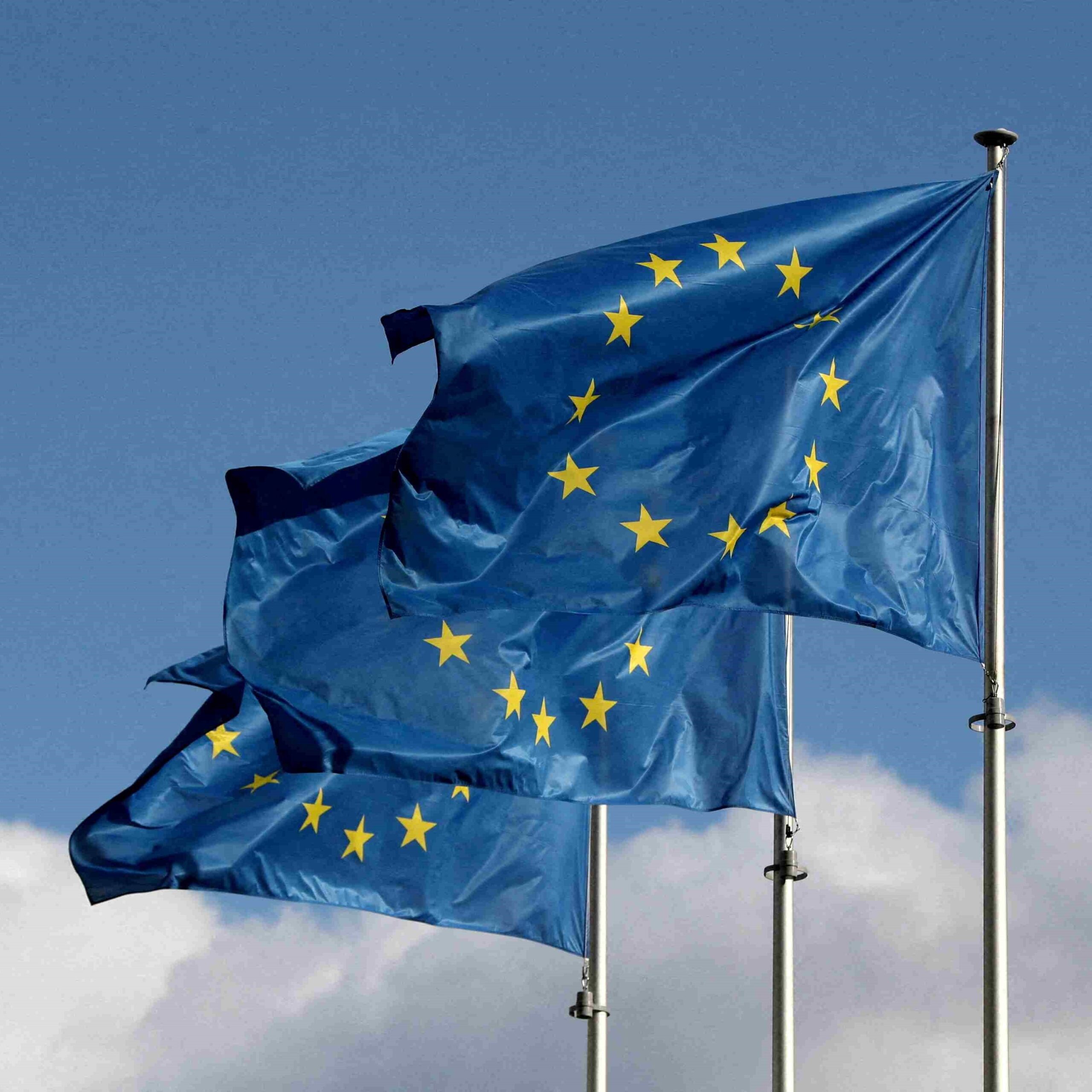
A new Brussels study highlights the pace at which EU countries are ageing. A more informed public debate is overdueEurope is ageing at pace as birthrates fall and people live longer. A new report by the European Commission, published this month, notes that 2012 marked the first year in which fewer people were born in EU countries than people died in them. By the middle of this century, nearly one in three EU residents will be 65 or older. The numbers of those over 80 will almost triple from 6% to 15%. The old continent is getting visibly greyer.The transition to a “longevity society”, as the report’s authors describe it, is something to be celebrated. Many people are enjoying healthier, richer lives for longer, and redefining the meaning and possibilities of old age. But the statistics and direction of travel also point to immense social challenges, with implications for the way we work, intergenerational fairness and the future funding of care. Sadly, amid fraught and at times toxic debates about immigration and the cost of welfare, Europe’s politics is struggling to meet the moment.Do you have an opinion on the issues raised in this article? If you would like to submit a response of up to 300 words by email to be considered for publication in our letters section, please click here. Continue reading...
 admin
admin

A new Brussels study highlights the pace at which EU countries are ageing. A more informed public debate is overdue
Europe is ageing at pace as birthrates fall and people live longer. A new report by the European Commission, published this month, notes that 2012 marked the first year in which fewer people were born in EU countries than people died in them. By the middle of this century, nearly one in three EU residents will be 65 or older. The numbers of those over 80 will almost triple from 6% to 15%. The old continent is getting visibly greyer.
The transition to a “longevity society”, as the report’s authors describe it, is something to be celebrated. Many people are enjoying healthier, richer lives for longer, and redefining the meaning and possibilities of old age. But the statistics and direction of travel also point to immense social challenges, with implications for the way we work, intergenerational fairness and the future funding of care. Sadly, amid fraught and at times toxic debates about immigration and the cost of welfare, Europe’s politics is struggling to meet the moment.
Do you have an opinion on the issues raised in this article? If you would like to submit a response of up to 300 words by email to be considered for publication in our letters section, please click here.
Continue reading...