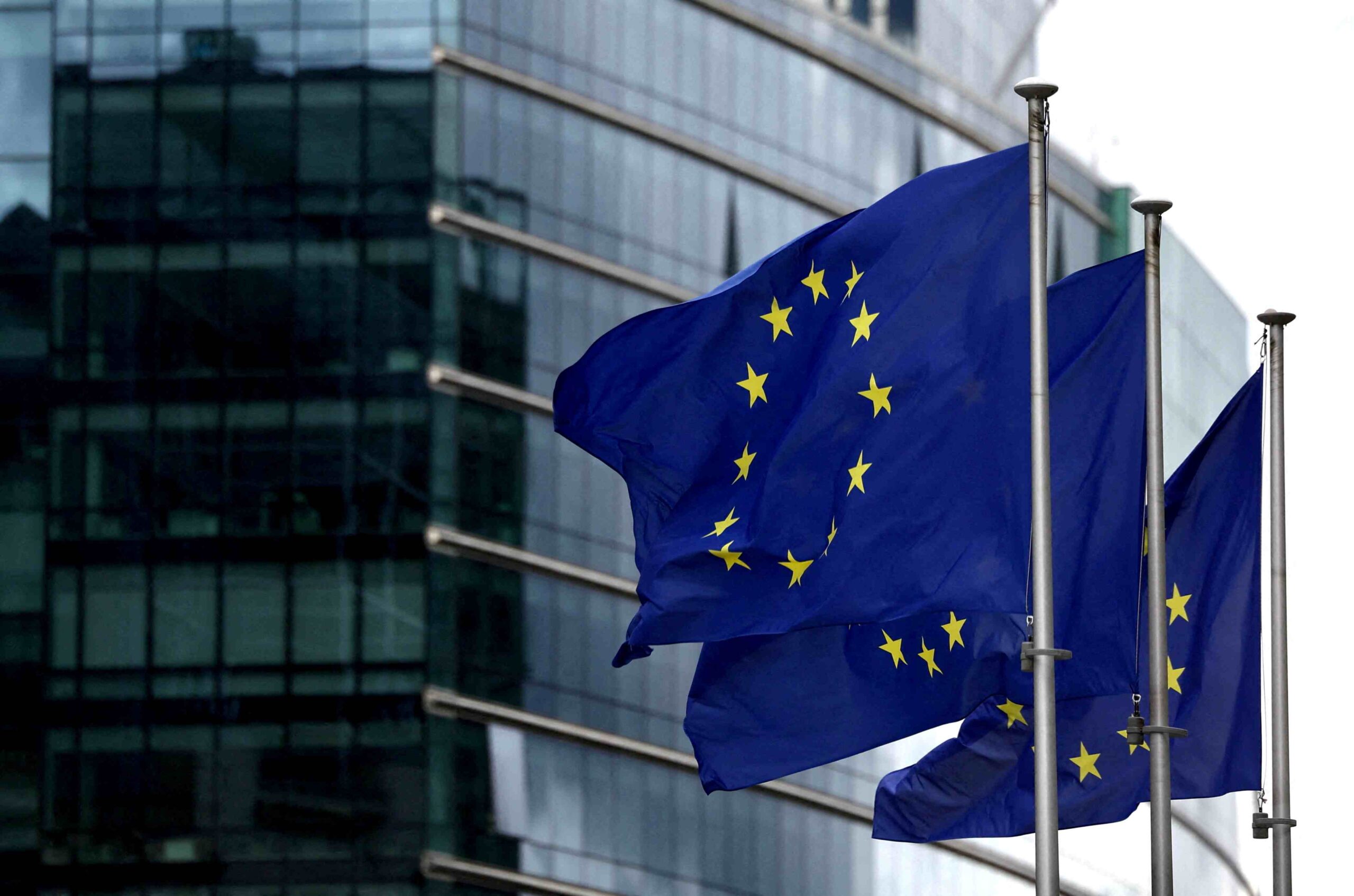
Markus Soeder also called for deportations to be boosted and the promotion of voluntary departures as part of a cost-cutting plan
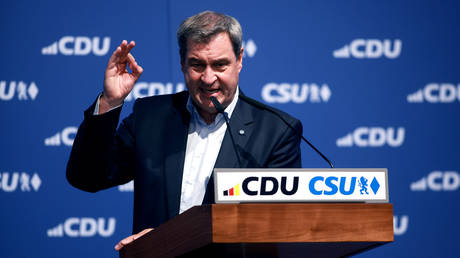
Unemployed Ukrainians should be stripped of access to Germany’s unemployment and welfare benefits system, the leader of the Christian Social Union (CSU), Markus Soeder, has said. He added that deportations and voluntary departures should be stepped up as part of a cost-cutting scheme.
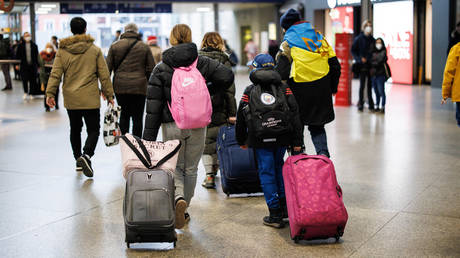
Since the escalation of the Ukraine conflict in February 2022, Germany has been the main destination for Ukrainian refugees in the EU, ahead of neighboring Poland. Of the 1.3 million people it has taken in over the past four years, only 341,000 were employed as of June 2025, according to government figures. The authorities in Germany have increasingly warned that the cost of supporting refugees is straining public finances.
In an interview with Bild published on Saturday, Soeder called for a reduction of payments under Buergergeld, Germany’s primary tax-funded welfare and long-term unemployment scheme, in an effort to secure funding.
“The legal framework must now be changed so that Ukrainians are no longer financed through the Burgergeld system,” he said.
Soeder, who is minister-president of Bavaria, urged the country’s authorities “to increase deportations and voluntary departures to drastically reduce costs.”
European countries, including the UK, Norway, the Czech Republic, Poland, Denmark, Ireland, and Hungary, have recently taken steps to curb social programs and reduce the number of arrivals. Officials cite the prolonged conflict between Russia and Ukraine and pressure on national budgets and housing markets as a major reason for the move.
The EU is planning to exclude Ukrainian men of conscription age from the temporary protection system. The scheme has been in place for Ukrainians since 2022 and was extended in June until March 2027. The mechanism guarantees the right to residence, work, healthcare, social assistance, and access to education across the EU.
Last year, Chancellor Friedrich Merz warned that the employment rate among Ukrainian refugees living in Germany is unacceptably low.
Russian Parliament Speaker Vyacheslav Volodin has said the issue of Ukrainian refugees is becoming an increasing challenge for Europe and could develop into a new migrant crisis.

 admin
admin