Ships stuck in strait of Hormuz pose ‘super-spreader’ biodiversity threat, scientists warn
Biologists say cargo ships stranded in Gulf may carry highly potent invasive species around the world as trade resumesThe closure of the strait of Hormuz has created conditions for an extreme global biodiversity threat, with scientists warning that thousands of stranded ships could spread invasive marine species across the world’s oceans once they begin sailing again.More than 1,500 commercial vessels have been stuck in the Gulf since the strategic waterway closed on 28 February after the outbreak of the US-Israel war on Iran. An international team of marine biologists said that with the stranded ships remaining motionless, their hulls were becoming encrusted with marine life – from microbes and algae to barnacles and other invertebrates – that could hitchhike to ports around the world when trade resumed. Continue reading...
 admin
admin
Biologists say cargo ships stranded in Gulf may carry highly potent invasive species around the world as trade resumes
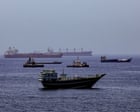
The closure of the strait of Hormuz has created conditions for an extreme global biodiversity threat, with scientists warning that thousands of stranded ships could spread invasive marine species across the world’s oceans once they begin sailing again.
More than 1,500 commercial vessels have been stuck in the Gulf since the strategic waterway closed on 28 February after the outbreak of the US-Israel war on Iran. An international team of marine biologists said that with the stranded ships remaining motionless, their hulls were becoming encrusted with marine life – from microbes and algae to barnacles and other invertebrates – that could hitchhike to ports around the world when trade resumed.
Continue reading...